

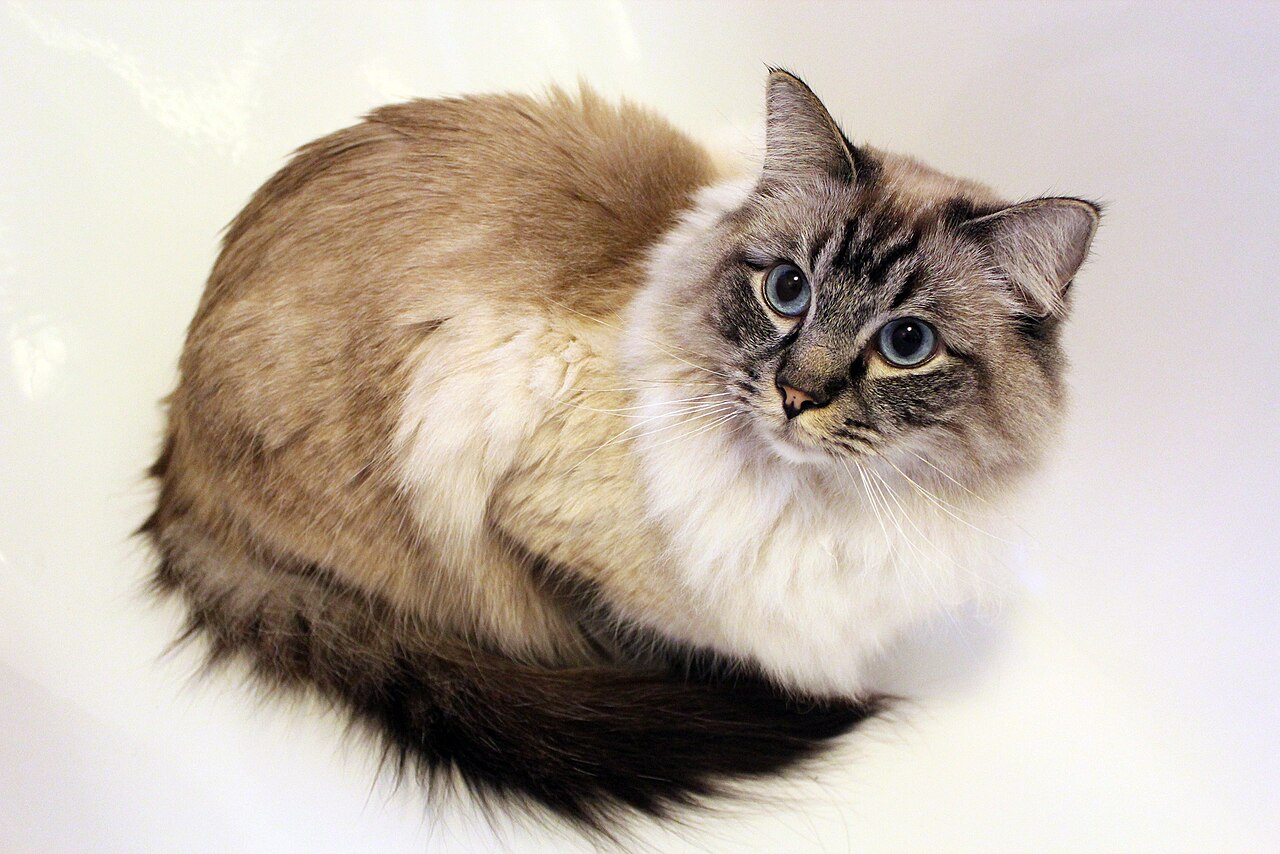
The Ragdoll is the cat that goes limp in your arms, a large semi-longhaired breed with striking blue eyes, a color-point coat, and white mitts on the paws. The name comes from that relaxed response to being held, and the temperament lives up to it: calm, puppy-like, and content to follow owners quietly. That laid-back nature is a joy to live with and a risk factor at the same time, since a cat that never hurries also never burns many calories.
Ragdolls are healthy cats overall, and many reach 12 to 17 years with no major illness. But the breed carries a short, well-documented list of inherited risks, with HCM at the top. Because the breed is popular and breed clubs keep records, screening is common and effective. Knowing the list before you bring one home makes the difference between prevention and surprise.
1. Hypertrophic Cardiomyopathy
Hypertrophic cardiomyopathy is the most common inherited heart disease in Ragdolls, just as it is in Maine Coons and several other breeds. The heart muscle thickens and stiffens, and advanced disease leads to heart failure or blood clots. Early stages are silent, which is exactly why screening exists.
Reputable Ragdoll breeders screen their breeding cats with echocardiograms and share results. DNA tests cover some variants. At home, watch for faster breathing at rest, sudden hind-leg weakness, or collapse, all emergencies. Because Ragdolls are so relaxed, owners sometimes miss subtle changes, so routine vet visits that include a heart listen are worth keeping.
2. Feline Lower Urinary Tract Disease
Ragdolls are prone to feline lower urinary tract disease, with bladder stones a known feature in the breed. Stones form in the bladder and can block the urethra entirely, a life-threatening emergency in male cats especially. Stress, dehydration, and dry food all raise the risk.
Signs to take seriously: straining in the litter box, blood in the urine, urinating outside the box, and crying while urinating. A cat that cannot urinate at all needs an emergency vet, not a waiting game. Prevention centers on high-moisture food, clean fresh water in multiple spots, low stress, and keeping the litter box clean and accessible.
3. Obesity
The Ragdoll's famously calm temperament has a downside: a cat that prefers lounging does not burn many calories. Ragdolls gain weight easily, and the breed's large frame hides early weight gain well. Extra weight stresses the heart, joints, and urinary system, all already on this breed's watch list.
Feed measured meals rather than free-feeding, and budget treats into daily calories. Interactive toys and short play sessions fit the Ragdoll's pace while adding movement. Because the breed is big-boned, use a body condition chart rather than the scale alone to judge. A Ragdoll that cannot feel its ribs needs a diet plan, not a bigger bowl. If you want a number to work with, the cat weight calculator gives the adult range for a Ragdoll and where your cat falls inside it.
4. Thrombopathia
Thrombopathia is a mild bleeding disorder affecting some Ragdoll lines, where the blood platelets do not stick together properly. Most affected cats live normally with no visible problems, but they can bleed more than expected after surgery, dental work, or injury.
There is no routine test for it, so the practical step is communication: tell your vet the breed and history before any procedure. Unexplained bruising, nosebleeds, or prolonged bleeding from small wounds deserve a veterinary check. Breeders who know their lines can often flag whether thrombopathia has appeared in a pedigree.
Ragdoll health issues at a glance
| Issue | Why It Matters | Key Sign |
|---|---|---|
| HCM | Thickened heart muscle | Silent, then breathing changes |
| FLUTD | Bladder stones, blockage risk | Straining, blood in urine |
| Obesity | Calm nature, big frame | Ribs hard to feel |
| Thrombopathia | Platelet stickiness defect | Prolonged bleeding |
Is your cat actually a Ragdoll?
A Ragdoll carries a large muscular body, oval blue eyes, a color-point pattern with white mitts, a semi-long silky coat with a neck ruff, and that unmistakable relaxed response to being held. Many pointed cats are not Ragdolls, so check the full package: size, eyes, mitts, and temperament together.
If your cat has that blue-eyed pointed look, our cat breed identifier can compare the visual markers against the Ragdoll breed profile. And because Ragdolls are so often compared with similar pointed breeds, the Birman guide covers the closest lookalike.
⚕️ Furriq Health Screen is a visual observation tool, not a veterinary diagnosis. This analysis does not replace professional veterinary advice. Always consult a licensed veterinarian for any health concerns about your cat.
Related breeds
All breedsKeep reading
All articlesHealth
Sphynx Cat Health Problems: 6 Issues
Sphynx cats face real health risks: HCM, myasthenia, skin oil buildup, dental disease, sunburn, and temperature issues. Here is what to watch.
6 min read
Health
Bengal Cat Health Problems: 5 Issues
Bengals face PRA, FIP, flat-chested kitten syndrome, separation anxiety, and skin sensitivity. Here is what to watch in this high-energy breed.
5 min read
Health
Maine Coon Cat Health Problems: 4 Issues
Maine Coons carry HCM, hip dysplasia, spinal muscular atrophy, and obesity risk. Here is what to watch in the gentle giant.
5 min read
Still not sure what your cat is?
Stop guessing from photos and text. Upload one clear photo and the AI checks 40+ visual markers in seconds. Free, no sign-up, and your photo is never stored.
Free cat breed scan