What Breed Is My Cat?
Whether you want to identify your current cat's breed or figure out what kind of cat to get next, upload a photo and our AI compares against 40+ visual markers and 60+ breeds. Free, instant, no sign-up required.
No cat photo handy?
Scan a sample, one tap:
Only cat photos are recognized — non-cat images will return meaningless results
Example results
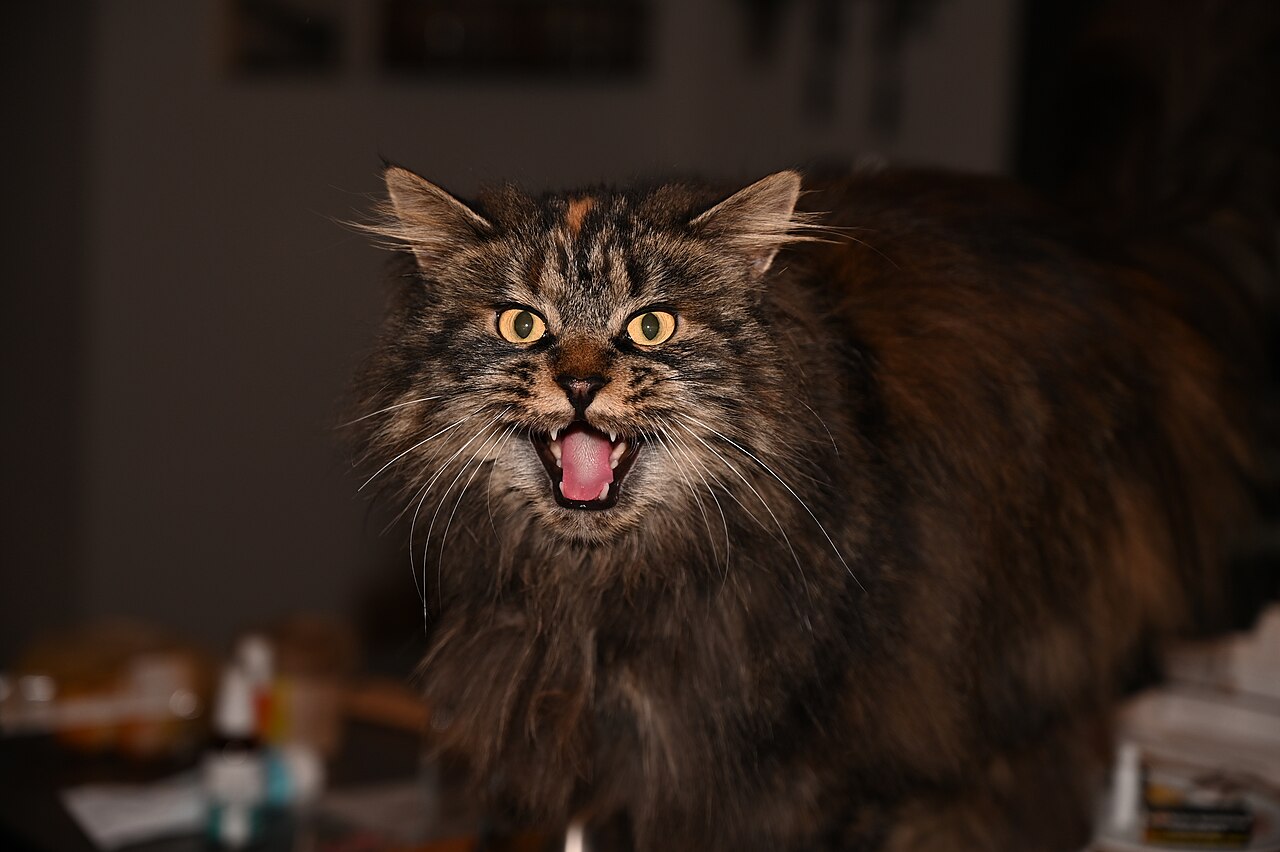
Maine Coon
~92%
Large frame, ear tufts, rectangular body
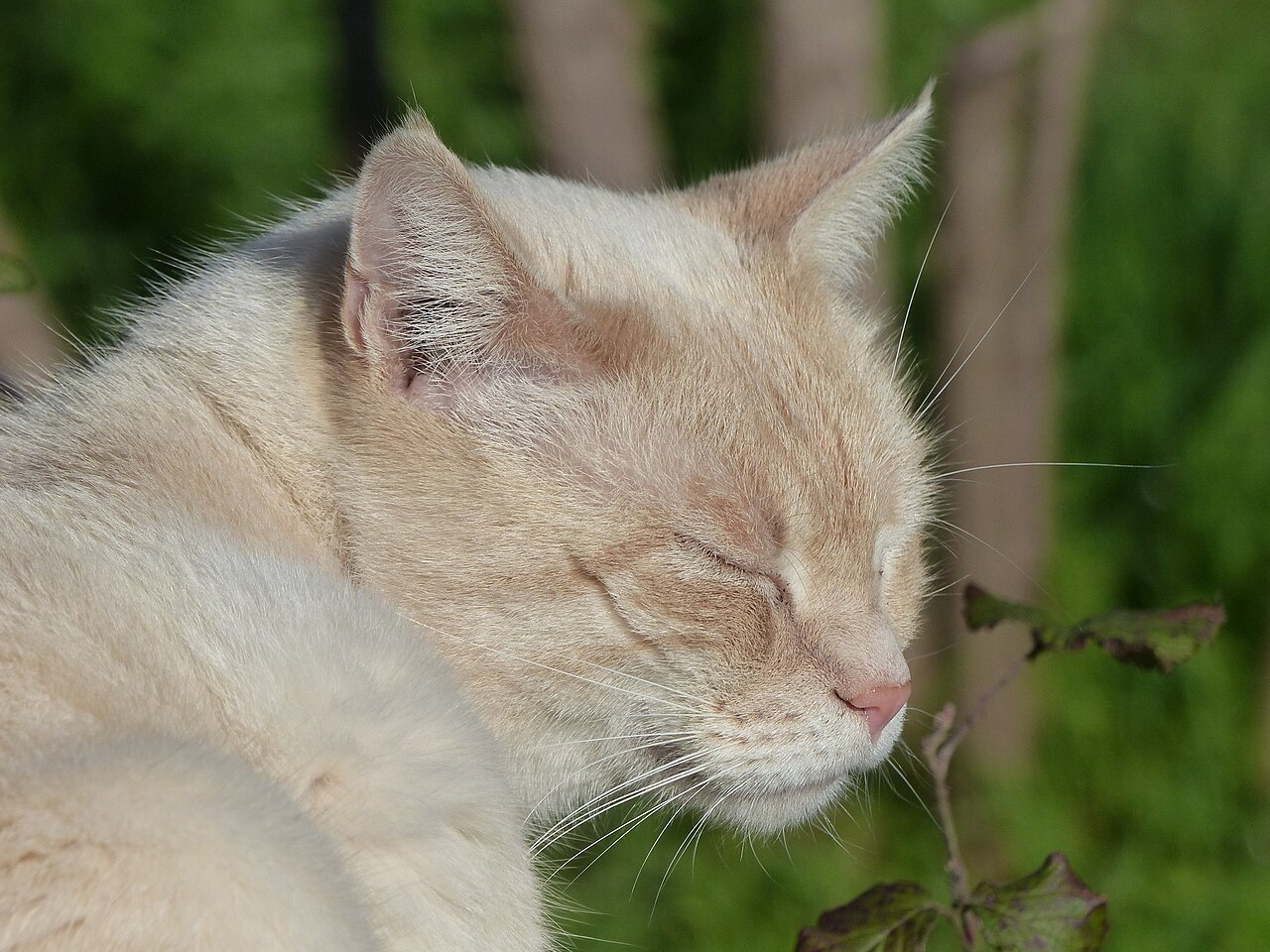
Siamese
~87%
Blue eyes, pointed coat, triangular face
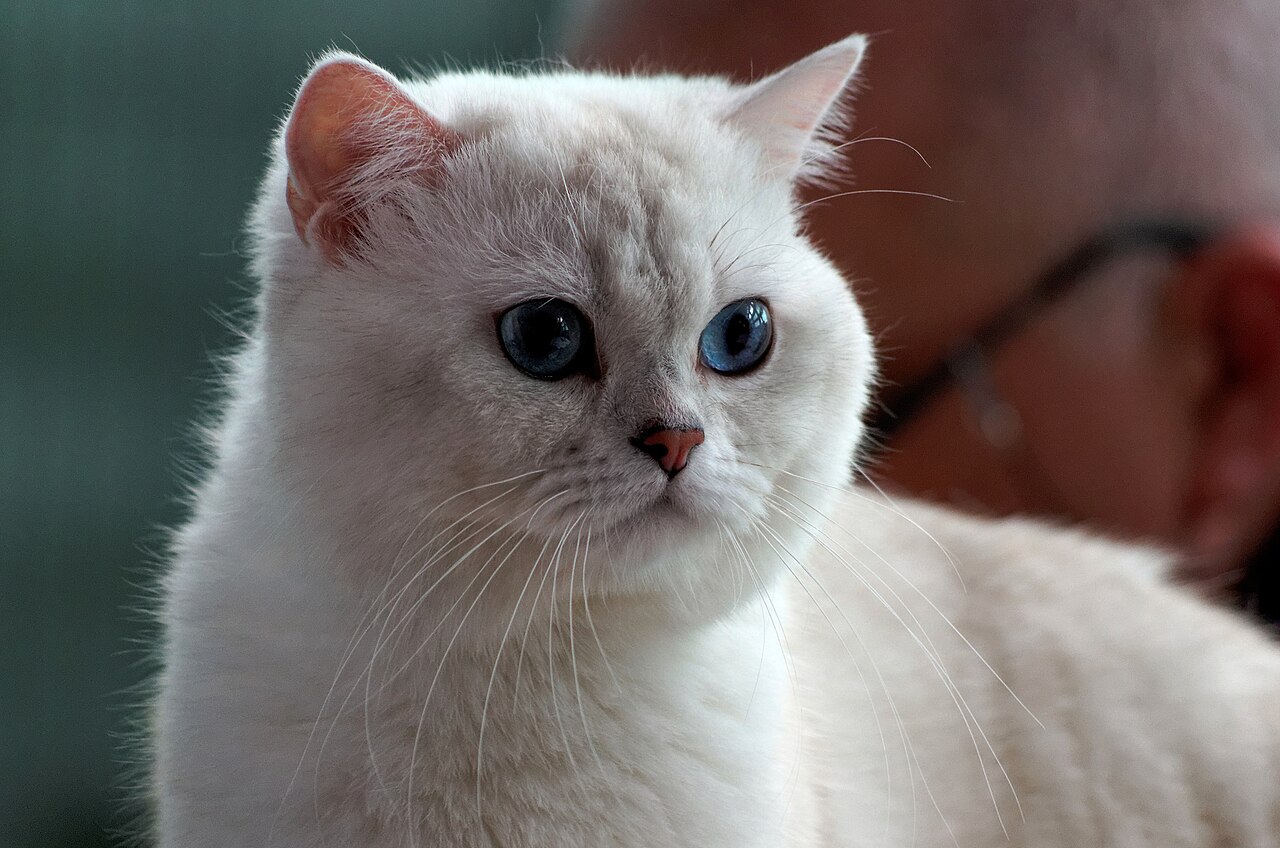
British Shorthair
~85%
Dense coat, round face, copper eyes
How to Find Out What Breed Your Cat Is
Most cats are mixed breeds, and without pedigree papers, guessing by looks alone is unreliable. The mixed breed cat identification guide covers the seven most common mixes and how to count clues. Here is what actually works:
- Upload a clear photo. Face the camera, good lighting, minimal filters. The AI needs to see ears, eyes, coat, and body shape.
- AI scans 40+ visual markers. Head shape, ear type, coat pattern, eye color, body proportions, tail features, each marker is compared against 60+ breed profiles.
- Get breed clues with confidence. The report shows which breeds your cat resembles most, with specific markers that drove each match and honest uncertainty flags.
Visual Markers the AI Checks
Every cat breed has a signature combination of physical traits. Our AI examines all of these in a single photo:
- Head shape: Wedge, round, square, or triangular, and the skull structure is one of the most diagnostic features.
- Ear type: Size, shape, set (how far apart), and whether they have tufts, folds, or curls.
- Coat pattern and color: Tabby, solid, pointed, bicolor, tortoiseshell, rosetted, and each breed has characteristic patterns.
- Coat texture and length: Short, semi-long, long, curly, wavy, or hairless.
- Eye shape and color: Almond, round, or oval; blue, gold, copper, green, or odd-eyed.
- Body proportions: Cobby, muscular, slender, or large-framed.
- Tail features: Length, thickness, and carriage (bobbed, plumed, or kinked).
Cat Breed Test vs AI Breed Identifier
People searching for a "cat breed test" usually mean one of two things: a DNA test kit or a photo-based AI tool. They answer different questions.
- DNA test: Cheek swab, mail to lab, $80–150, 2–4 weeks. Gives exact breed percentages and health markers. The gold standard for pedigree proof and genetic screening.
- AI breed identifier: Upload a photo, free, instant. Reads visible traits (coat, face, ears, eyes, body) and shows which breeds your cat resembles. Clues, not proof.
If you are curious what breed your cat might be, start with the free photo scan. If you need breed percentages for breeding, health screening, or registration, order a DNA kit. Most cat owners find the photo scan is enough to satisfy their curiosity.
Breeds We Can Identify
Our AI covers 60+ breeds, from common ones like Maine Coon and British Shorthair to rare breeds like Lykoi, Sokoke, and Kurilian Bobtail. Each breed has a unique marker profile the AI compares against:
- Abyssinian
- American Bobtail
- American Curl
- American Shorthair
- American Wirehair
- Balinese
- Bengal
- Birman
- Bombay
- British Longhair
- British Shorthair
- Burmese
- Burmilla
- Chartreux
- Chausie
- Colorpoint Shorthair
- Cornish Rex
- Cymric
- Devon Rex
- Donskoy
- Egyptian Mau
- Exotic Shorthair
- Havana Brown
- Himalayan
- Japanese Bobtail
- Javanese
- Khao Manee
- Korat
- Kurilian Bobtail
- LaPerm
- Lykoi
- Maine Coon
- Manx
- Minuet
- Munchkin
- Nebelung
- Norwegian Forest Cat
- Ocicat
- Oriental Longhair
- Oriental Shorthair
- Persian
- Peterbald
- Pixie-Bob
- Ragamuffin
- Ragdoll
- Russian Blue
- Savannah
- Scottish Fold
- Selkirk Rex
- Serengeti
- Siamese
- Siberian
- Singapura
- Snowshoe
- Sokoke
- Somali
- Sphynx
- Tonkinese
- Toyger
- Turkish Angora
- Turkish Van
Limitations of Photo-Based Breed Identification
Photo identification is a starting point, not a lab test. Here is what it can and cannot do:
- It gives clues, not proof. The AI identifies which breeds your cat most closely resembles based on physical markers. It is not a DNA analysis.
- Mixed-breed cats are complex. If your cat is a mix of multiple breeds, results may show influence from several breeds without a single definitive answer.
- Photo quality matters. A poorly lit or blurry photo reduces accuracy. Follow the photo guidelines for the best results.
- Some breeds look very similar. Maine Coon and Norwegian Forest Cat share many visual traits. The AI can suggest which is more likely, but a definitive answer requires DNA testing.
- Kittens change appearance. A young kitten's features are still developing. The AI is most accurate with adult cats (1 year and older).