
Identify My Cat by Photo
Upload a photo and let our AI examine 40+ visual markers (coat pattern, face shape, ear type, and more) to give you honest breed clues. No sign-up required; the photo quality check is free, and the full AI report is a one-time €5.99.
Every scan also hunts for your cat's breed card.
No cat photo handy?
Scan a sample, one tap:
Only cat photos are recognized: non-cat images will return meaningless results
Unlock the full report
- 40+ visual markers analyzed: coat pattern, face shape, ear type, body structure
- Likely breed matches with confidence ranges, plus care notes
- One-time €5.99, no subscription
Example results
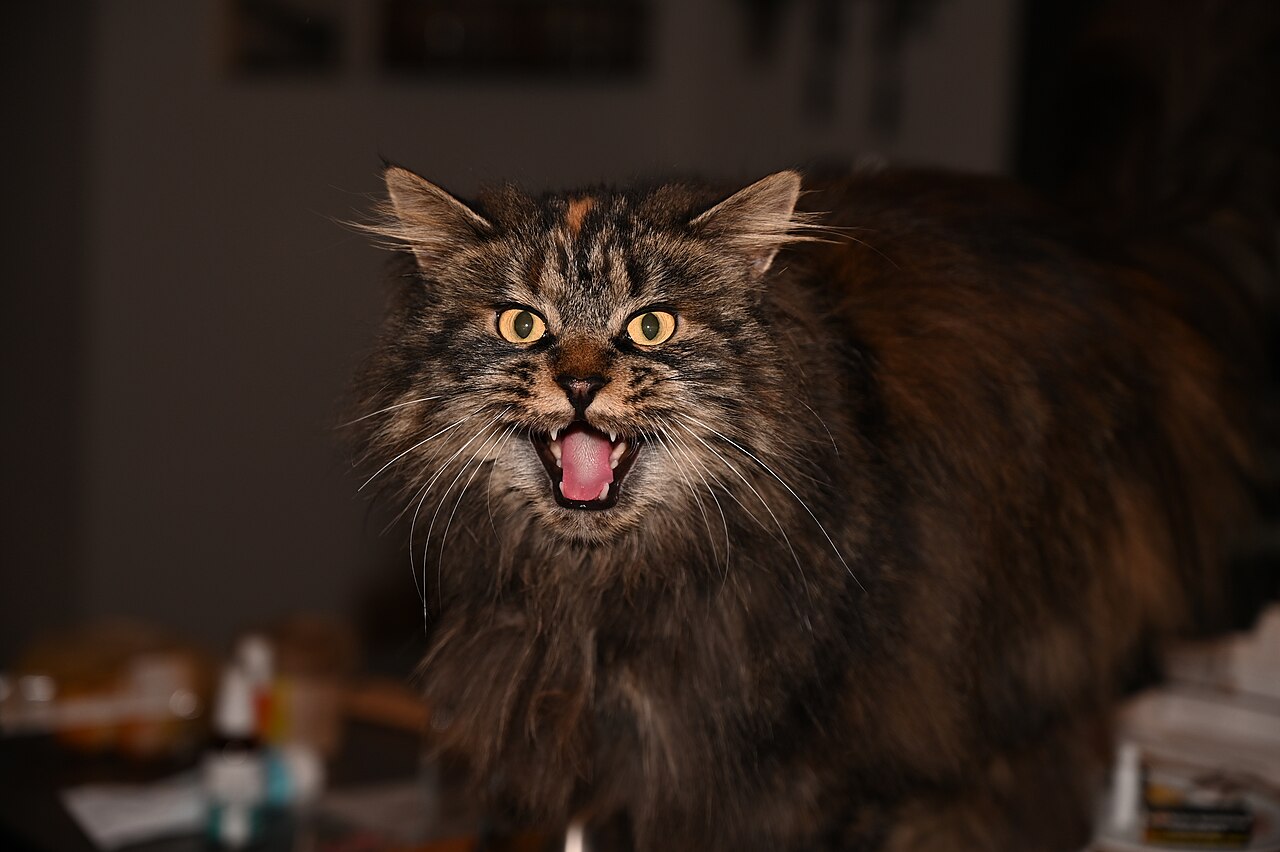
Maine Coon
~92%
Large frame, ear tufts, rectangular body
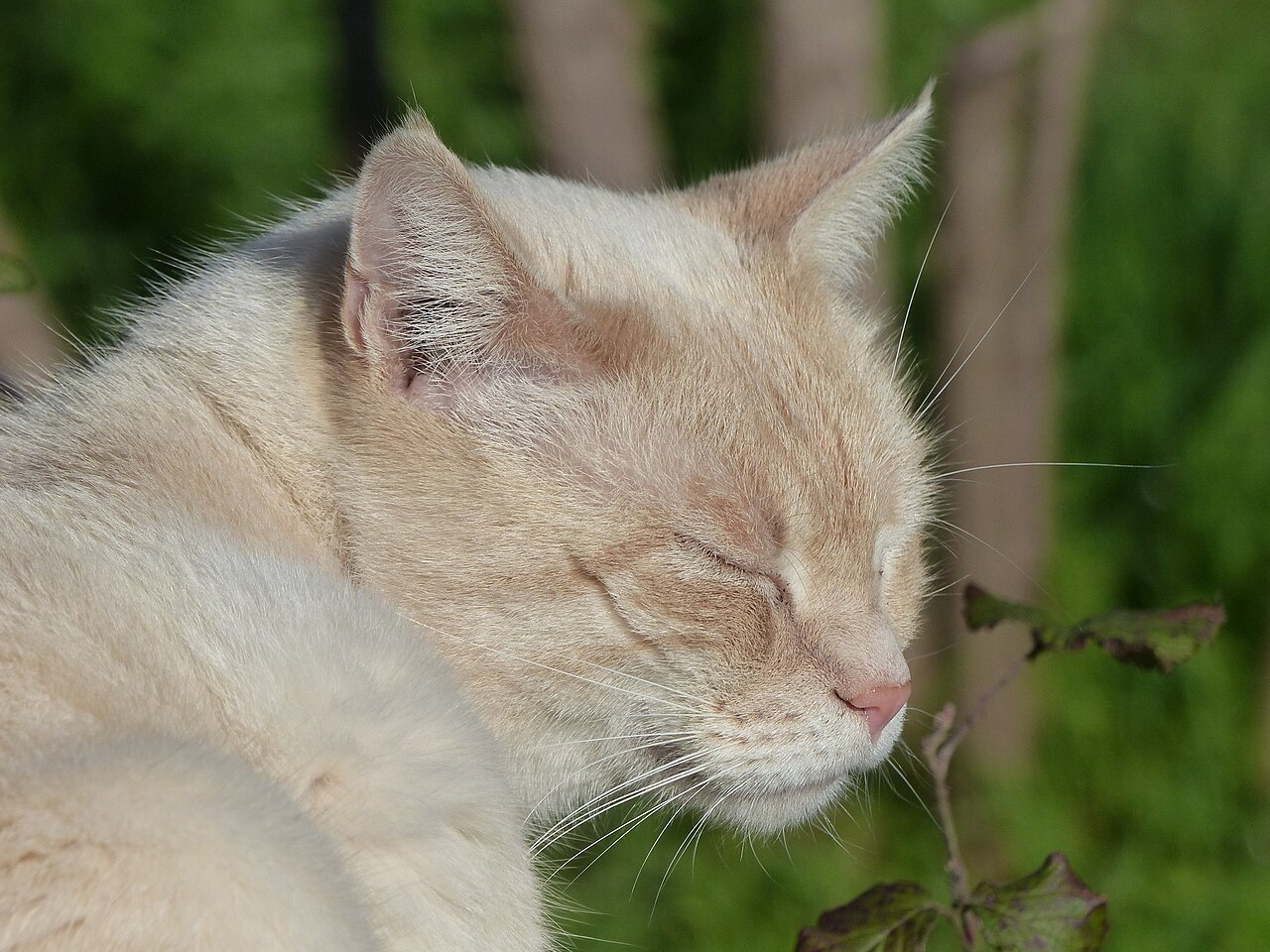
Siamese
~87%
Blue eyes, pointed coat, triangular face
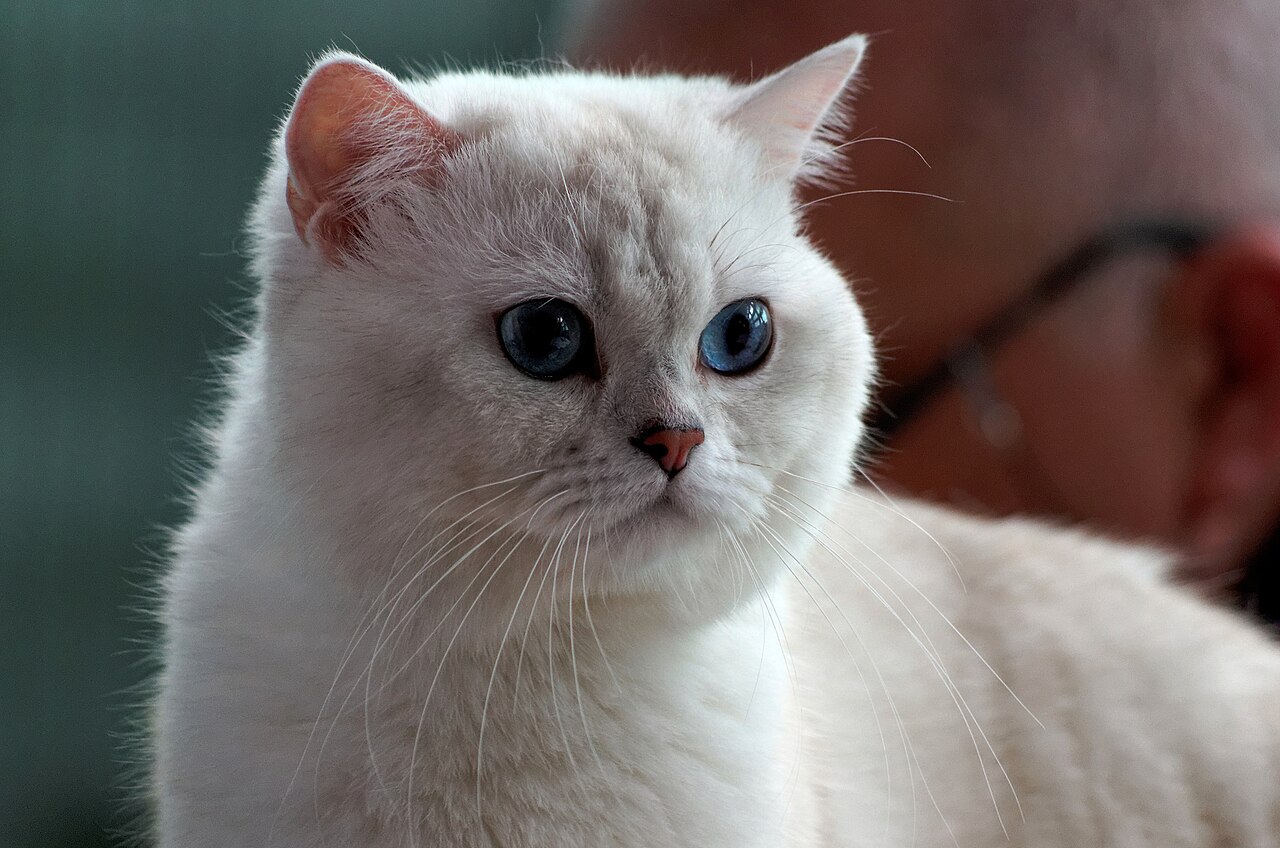
British Shorthair
~85%
Dense coat, round face, copper eyes
How Photo-Based Cat Breed Identification Works
Our AI looks at these physical traits to guess your cat's breed. Upload a photo and it checks:
- Head shape: Wedge, round, square, or triangular: the overall skull structure is one of the most diagnostic features.
- Ear type: Size, shape, set (how far apart they are on the head), and whether they have tufts or folds.
- Coat pattern and color: Tabby, solid, pointed, bicolor, tortoiseshell, rosetted, and each breed has characteristic coat patterns.
- Coat texture and length: Short, semi-long, long, curly, wavy, or hairless, and coat type is breed-specific.
- Eye shape and color: Almond, round, or oval; blue, gold, copper, green, or odd-eyed, and certain breeds are defined by eye traits.
- Body proportions: Cobby, muscular, slender, or large-framed, and body type is a strong breed indicator.
- Tail features: Length, thickness, and carriage, and some breeds have distinctive bobbed, plumed, or kinked tails.
The AI compares all these traits against known breed standards and tells you which breeds your cat matches, and why.
What Makes a Good Identification Photo
For the most accurate results, follow these six guidelines when taking your cat's photo:
- Angle: Shoot at your cat's eye level, with the face clearly visible and looking toward the camera. A straight-on or ¾ view works best.
- Lighting: Use soft, diffused natural light. Avoid direct flash (washes out coat colors) and harsh shadows.
- Background: Keep the background simple and contrasting. A solid-colored wall works well. Avoid busy patterns or multiple animals in the frame.
- Framing: The cat's face should fill at least 40% of the frame. Make sure the entire head (including ears and chin) is visible.
- Sharpness: Ensure the cat's face is in crisp focus. Blurry photos reduce the AI's ability to analyze fine details like ear tufts and coat texture.
- Multiple angles: Take several shots (front view, ¾ profile, and a full-body shot), then pick the clearest one to scan. The AI reads one photo, so the angles are for your own comparison. The photo picker tool scores them for you.
Limitations of Photo Identification
While our AI can provide valuable clues about your cat's breed makeup, it is important to understand what photo identification can and cannot do:
- It gives clues, not proof. Photo-based identification is a visual assessment, not a DNA test. The AI identifies which breeds your cat most closely resembles based on physical markers.
- Mixed-breed cats are complex. If your cat is a mix of multiple breeds, the AI may show influence from several breeds, and the results may not point to a single definitive breed.
- Photo quality matters. A poorly lit or blurry photo reduces accuracy significantly. Follow our photo guidelines above for the best results.
- Some breeds look very similar. Breeds like the Maine Coon and Norwegian Forest Cat share many visual traits. The AI can suggest which one is more likely, but a definitive answer requires pedigree documentation or DNA testing.
- Kittens change appearance. A young kitten's features are still developing. The AI is most accurate with adult cats (1 year and older).
Treat it as a starting point. It's fun, it's informative, and it's not a lab test.