

Cat Breed Glossary
What Is Pedigree Cat?

Quick Answer
A pedigree cat has a documented family tree registered with CFA, TICA, or FIFe. It proves lineage, not health or appearance. Most pet cats are not pedigree cats.
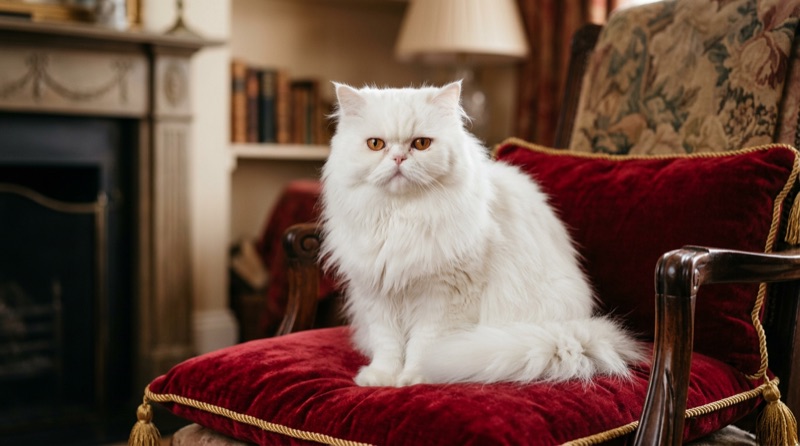
A pedigree cat is a cat whose ancestry is documented through a recognized registry like CFA, TICA, or FIFe. The pedigree is a family tree, usually going back three to five generations, that proves the cat descends from registered parents of the same breed. Having a pedigree means someone tracked the lineage. It does not guarantee the cat looks, acts, or stays healthy in any particular way.

Did You Know?
- 1A pedigree certificate is essentially a cat family tree. Some go back five generations or more.
- 2The most expensive pedigree cat ever sold was a Bengal kitten for $50,000 in 1998.
- 3CFA registers about 500,000 kittens per year. That is a tiny fraction of the millions of cats born annually.

How It Works
Registry documentation
Breeders register each litter with a cat registry. Each kitten gets a registration number that links to its parents, grandparents, and further back. The registry maintains the database and issues pedigree certificates.
Breed standard compliance
Registries publish breed standards: written descriptions of the ideal cat for each breed. Judges at cat shows compare each cat against the standard. A pedigree cat that closely matches the standard is considered high quality for showing.
Lineage verification
DNA testing is increasingly used alongside paper pedigrees to verify parentage. Some registries now require or recommend genetic testing to confirm that a kitten's parents are correctly identified.

Benefits
- Predictable traits
A pedigree gives you a reasonable expectation of adult size, coat type, temperament, and potential health issues. You know what you are getting, more or less.
- Show and breeding eligibility
Only pedigree cats can enter cat shows or be used in registered breeding programs. If you want to participate in the purebred cat world, a pedigree is the entry ticket.
- Breed-specific health screening
Knowing the breed allows targeted health screening. A Persian pedigree means screening for PKD. A Maine Coon pedigree means screening for HCM. The pedigree guides preventive care.

Trade-Offs
- Cost
Pedigree cats from reputable breeders cost significantly more than shelter cats. Prices range from several hundred to several thousand dollars depending on breed and lineage quality.
- Health risks from limited gene pool
Purebred populations have smaller gene pools than mixed breeds. This increases the risk of inherited conditions like heart disease, kidney problems, and respiratory issues in certain breeds.
- Paper does not guarantee quality
A pedigree proves ancestry, not health, temperament, or conformance to the breed standard. A cat with a five-generation pedigree can still have health problems or look nothing like its breed standard.

Who Is This For?
Ideal for
❌ Not ideal for

Try It with Furriq
- 1
Understand what a pedigree tells you
A pedigree is a family tree. It tells you who the cat ancestors were. It does not tell you how healthy the cat is, how it will behave, or whether it matches the breed standard perfectly.
- 2
Check the registry
CFA, TICA, and FIFe are the major registries. Each has an online database where you can look up registration numbers. If a breeder claims a cat is registered, verify the number.
- 3
Use Furriq for visual comparison
Even with a pedigree, it is interesting to see which visual traits stand out. Upload a photo to Furriq and compare the AI breed clues against the pedigree. If they agree, the cat is a good breed representative. If they disagree, the cat may be a less typical example of its breed.
Ready to identify your cat?
Upload a photo and get breed clues in seconds, free.
Upload a Photo to Furriq
Frequently Asked Questions
Q.What is the difference between pedigree and purebred?
They are often used interchangeably, but technically: purebred means both parents are of the same breed. Pedigree means the ancestry is documented through a registry. A cat can be purebred without a pedigree (if the breeder did not register it), but a pedigree cat is always purebred.
Q.Can I get a pedigree for my shelter cat?
No. A pedigree requires documented ancestry through a registry. Shelter cats almost never have this documentation. DNA tests can tell you what breeds contributed to your cat, but that is not the same as a pedigree.
Q.Does a pedigree mean the cat is healthier?
Not necessarily. A pedigree proves lineage, not health. Some purebred lines carry inherited conditions. Responsible breeders screen for these, but the pedigree itself is just a family tree.

Sources

More Glossary Terms