
Multi-photo prep
Pick the clearest 3 photos before comparing breed estimates.
Different angles can create different guesses. Score 3 to 5 images locally and choose a more reliable set.
Multi-photo prep is a way to compare several photos of the same cat before you run a breed check. Upload 3 to 5 images from different angles and the tool scores each one locally in your browser. Photos are not stored by default, and no sign-up is required. A single angle can mislead even a careful reader of cat traits. A front-facing shot compresses the muzzle. A side profile hides ear set. When the same feature shows up across three viewpoints, you can trust it more than a feature seen in one photo. The tool flags weak angles and tells you which shots are worth retaking, so the photo you scan is the one that shows your cat honestly. Three good angles beat six blurry duplicates.
Only cat photos are recognized — non-cat images will return meaningless results
Example results
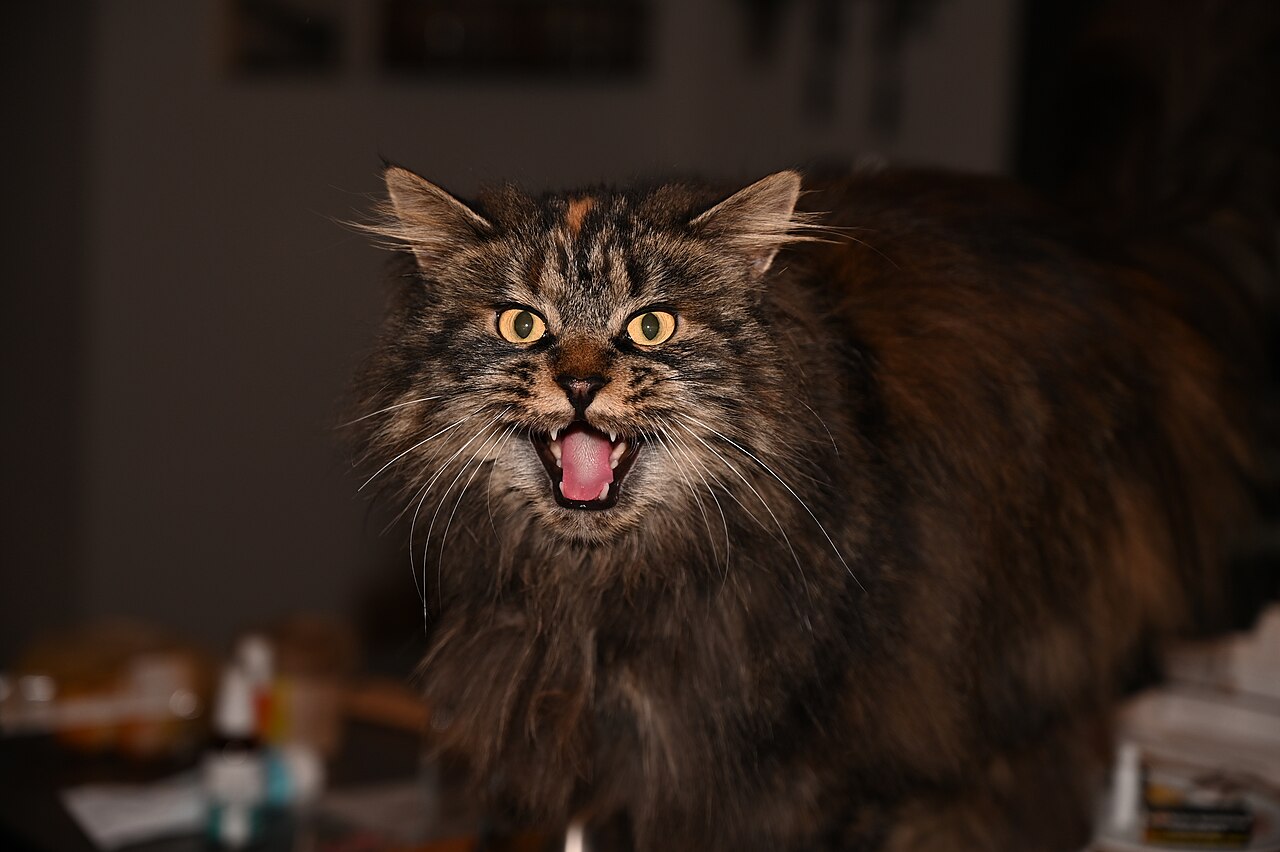
Maine Coon
~92%
Large frame, ear tufts, rectangular body
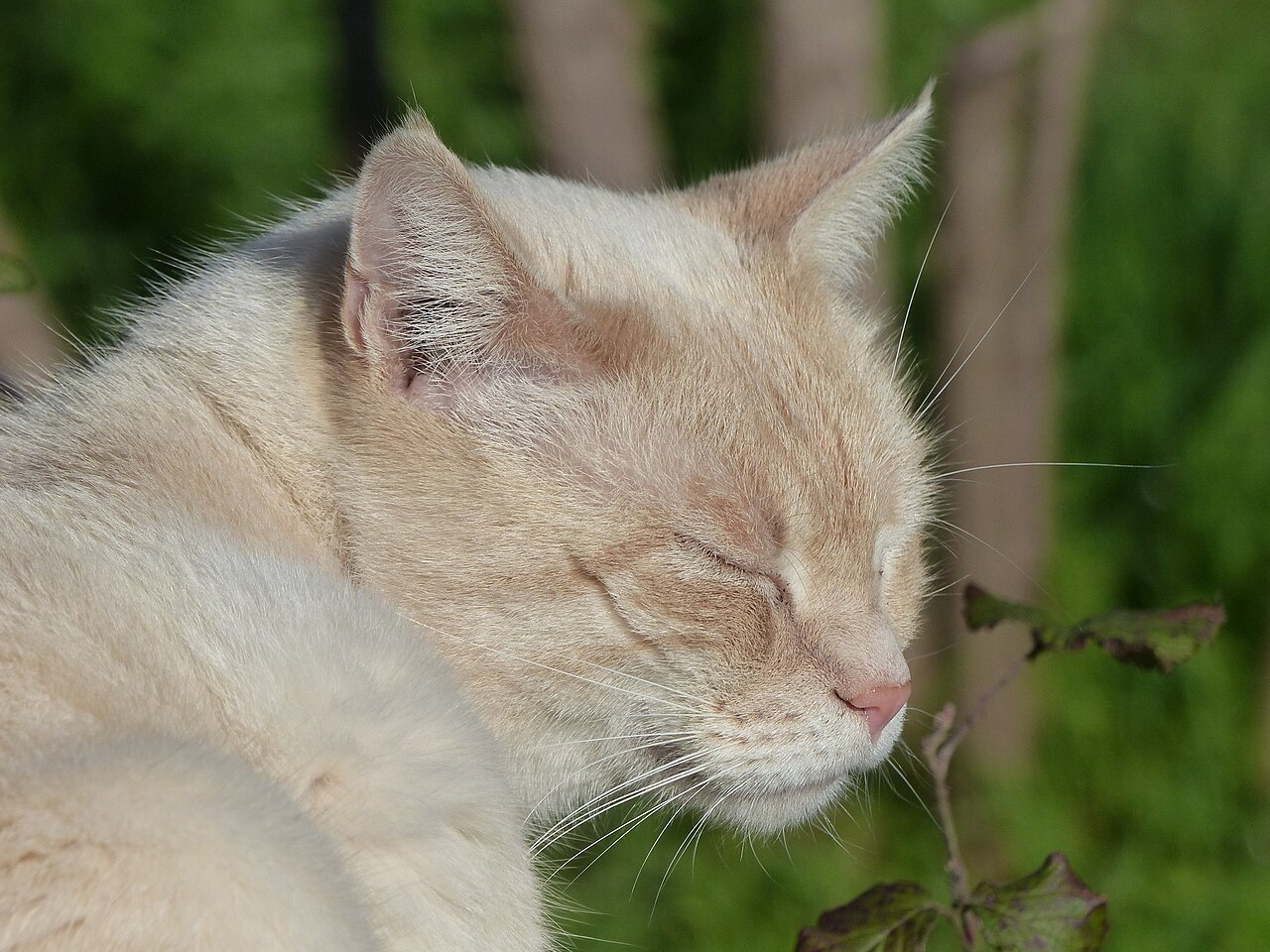
Siamese
~87%
Blue eyes, pointed coat, triangular face
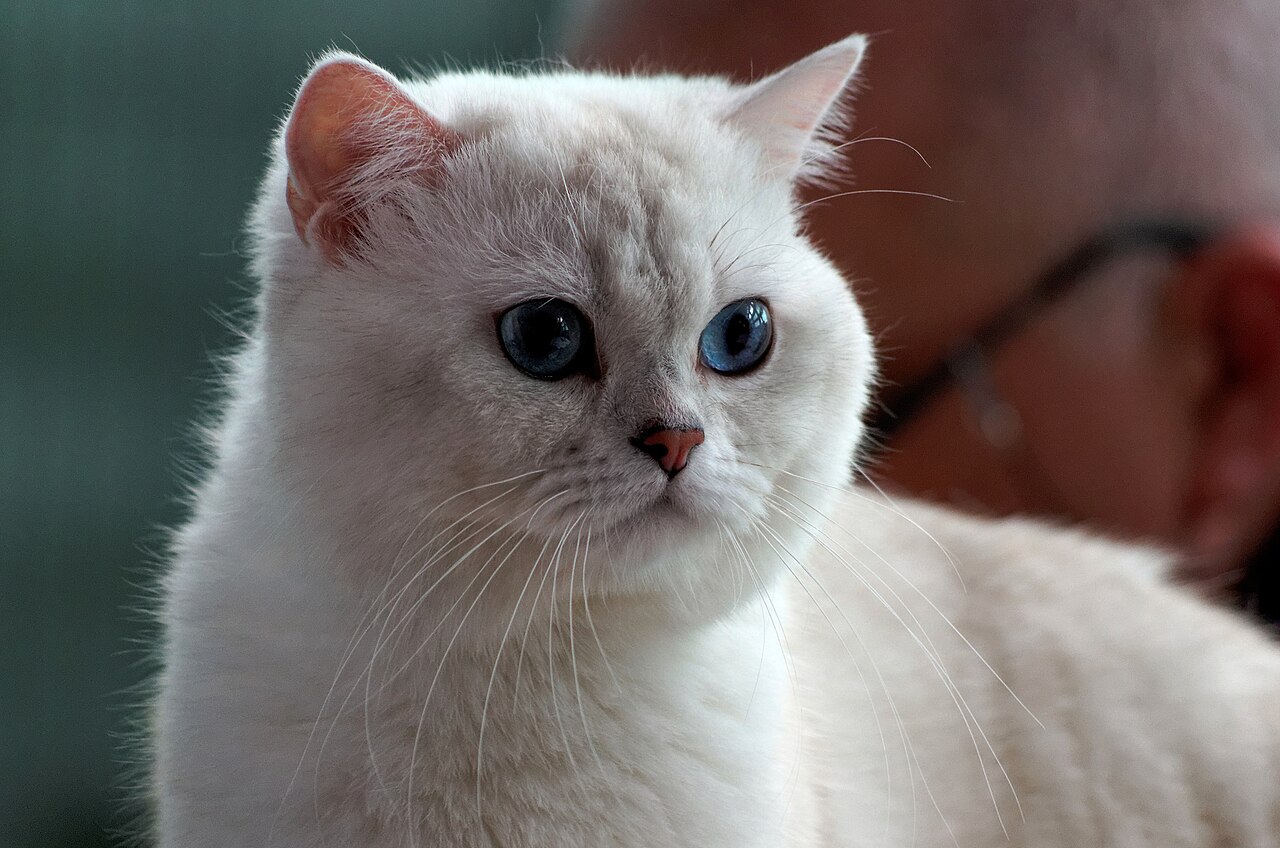
British Shorthair
~85%
Dense coat, round face, copper eyes
The short answer
Why Multiple Photos Help Before a Breed ID
The AI scan reads one photo at a time. Scoring several shots locally first means the photo you send is the sharpest, best-lit one, which is what the model reads best.
How the Local Quality Check Works
Each photo is scored in your browser on quality, not breed: sharpness, brightness, contrast, and framing. Weak angles get flagged so you can retake them, and the clearest shot becomes your pick for the ID scan. The scoring never leaves your device.
The Three Best Angles for Breed ID
Front-facing (face-on)
Ear set · muzzle · eyes
Shows ear set, muzzle shape, nasal bridge angle, and eye shape — the strongest visual clue for most breeds.
Side profile
Profile · chin · proportions
Reveals facial profile, muzzle length, chin depth, and body proportions like the wedge head of a Siamese or the cobby body of a Persian.
Full body (standing or sitting)
Body · coat · tail
Shows body type, coat length distribution, and traits only visible in full view — like Munchkin short legs or Norwegian Forest Cat ruff.
When You Need Multiple Photos
Mixed-breed or domestic cats
A single angle may coincidentally suggest a breed. The scan reads one photo, so comparing your shots first tells you which traits are consistent across the whole cat — and which photo shows them best.
Kittens
Ear proportions, body shape, and coat texture change rapidly as they grow. Multiple photos taken over time provide a more reliable baseline.
Unusual or ambiguous features
If your cat has features that don't fit one breed category, checking several angles yourself helps you tell genuine ambiguity from a bad-angle artifact before you spend a scan.
How to Use the Maximum 6 Photos
Avoid Duplicate Photos
Six nearly identical photos from the same angle don't boost confidence — each photo should offer a genuinely different perspective or pose. One good photo beats multiple duplicates.
How to Interpret Multi-Photo Results
What to Capture in Each Angle — A Detailed Guide
Simply snapping "a front view" is not enough. Each angle should be deliberate and capture specific diagnostic features:
Self-Check: Is This Photo Good Enough?
Before uploading each photo, run through this quick checklist. A photo that fails any item should be retaken:
If all your photos pass this checklist, you are ready to run the ID scan on your clearest shot. If some fail, retake those angles before uploading — a poor photo wastes the scan it consumes.
Why Checking Several Photos Beats Trusting One
A single photo can be misleading in ways you might not notice:
The quality check works the other way around: it cross-references nothing about breed. What it catches is capture quality across viewpoints — blur, glare, a hidden ear set, a compressed muzzle. The AI reads the single photo you finally send, so the job of the quality check is to make sure that one photo shows each feature clearly enough to judge.
Example Scenarios: How Many Photos Do You Need?
Scenario 01
Long-haired cat, suspected Maine Coon
Take at least 4 photos: a front face to check ear tufts and muzzle shape, a side profile showing the rectangular body and ruff, a full-body shot from above to show coat length distribution, and a tail shot to confirm the thick, plumed tail. Maine Coons closely resemble Norwegian Forest Cats — compare the angles yourself, then scan the one photo that shows the deciding traits.
Scenario 02
Short-haired kitten, suspected Siamese mix
Kittens change rapidly. Take 5–6 photos over 2–3 weeks and compare them yourself to track how the pointed pattern develops (it darkens with age) — the scan reads one photo, so the trend is yours to observe. Include one photo of the parents if possible — pointed pattern is recessive, so at least one parent must carry the cs allele. The face shape also changes: a kitten's wedge may round out as it grows.
Scenario 03
Mixed-breed domestic cat
3 photos (front, side, full body) are usually sufficient. If you honestly see different breed clues in different angles, that is a mixed-ancestry signal, not noise. Scan your clearest shot and judge the confidence ranges in the report — mixed-breed cats often express traits from multiple ancestral lines.
Scenario 04
Purebred cat with papers
Even with known ancestry, comparing several photos side by side helps you judge breed standard compliance yourself — facial proportions, body type, and coat quality, checked by eye against the standard. The scan reads one photo and reports visual clues with confidence ranges; it is not a breed certification. Handy context for show cat preparation or breeding decisions, alongside your breeder's or judge's assessment.
FAQ: Multi-Photo Common Questions
Can I upload more than 6 photos?+
The tool accepts a maximum of 6 photos. This is intentional — 3–5 well-chosen, diverse shots are enough to find the clearest one, and fewer duplicates means a faster quality check. Quality over quantity: 6 carefully selected photos from different angles beat 20 near-identical shots.
What if different photos give conflicting results?+
Conflicting results are normal and often the most informative outcome. They usually mean one of three things: (1) your cat is a mixed breed expressing traits from multiple lineages, (2) the photo you scanned was poor quality and the AI was guessing, or (3) your cat has unusual features that don't fit standard breed categories. The best next step is to scan your clearest, best-lit photo and read the report's confidence ranges carefully.
Should I include photos of the cat as a kitten and as an adult?+
Yes — this is highly recommended. Many breed traits, especially coat color and face shape, change significantly from kittenhood to adulthood. Comparing life stages yourself gives you the full developmental picture, because the scan reads one photo at a time. For pointed cats especially, kitten photos show a much paler body that darkens over time.
Can I use photos taken by different cameras or phones?+
Absolutely. Just know that each camera renders colors slightly differently, so compare your shots and pick the one taken in neutral daylight — that shows coat color most honestly. The scan reads one photo. All photos should still pass the quality checklist above.
Breed is only one part of the answer. Once you know which breed your cat most resembles, the cat weight calculator checks whether your cat's weight and age sit inside the standard range for that breed.
The clearest three photos are also the fastest way to answer the cat breed quiz: six questions on ears, coat, frame, profile, pattern and tail, ranked against the breed standards each photo question feeds.