
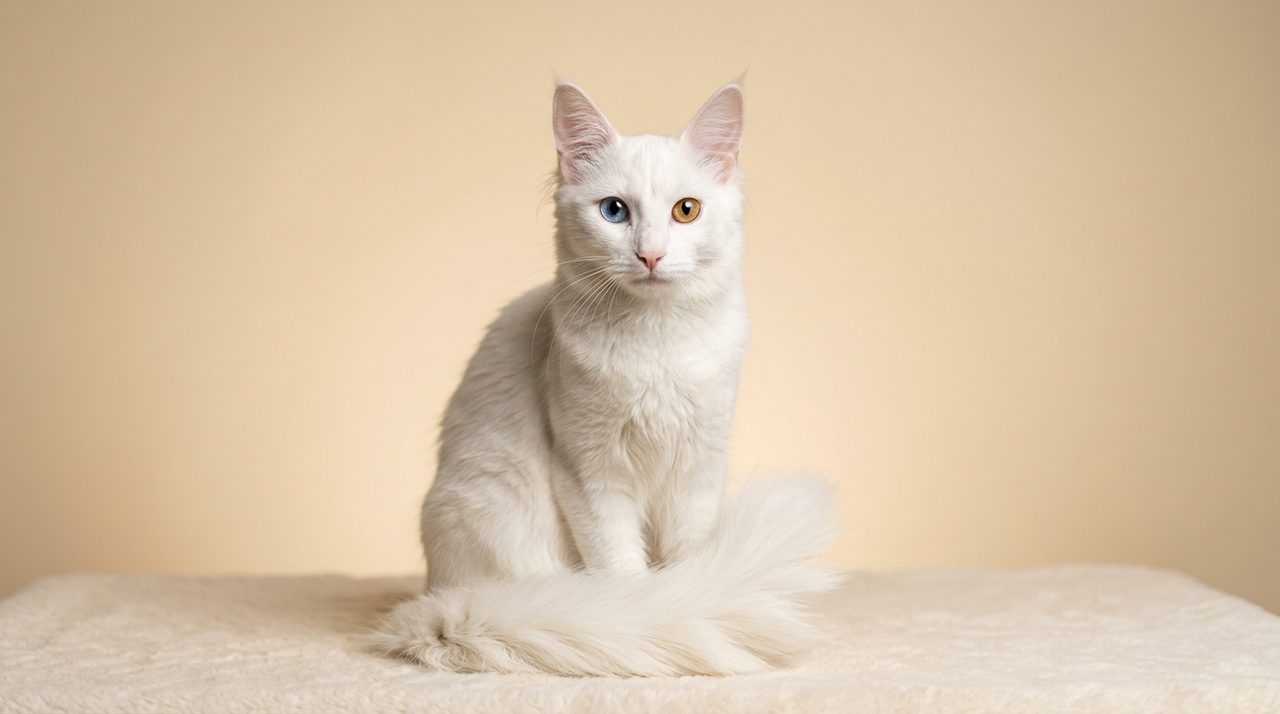

Not sure which cat breed is right for you? You do not need a personality quiz with 30 questions and a BuzzFeed-style result. You need to answer five questions about your actual life — where you live, how busy you are, who else is in the house, whether you have allergies, and how much cat experience you have — and match those answers to a breed's real traits. That is what this guide does.
The best cat breed for you is not the one that looks prettiest in photos. It is the one whose energy level, noise tolerance, grooming needs, and social style fit your daily reality. A Bengal in a studio apartment with a 10-hour workday is a recipe for shredded curtains. A Persian in a house with two toddlers and a dog is a stressed cat. The right match makes everyone's life better — including the cat's.
How to Choose the Right Cat Breed
Forget the online quizzes that ask "What's your spirit animal?" and give you a Siamese because you said you like talking. Real breed selection comes down to five practical dimensions. Answer each one honestly — not aspirationally — and you will narrow the field from 70+ breeds to 3-5 strong candidates.
Step 1: Your Living Situation
Where you live is the single biggest constraint on which cat will thrive in your home.
Small apartment (studio or 1-bedroom): You need a cat that is calm, does not need a lot of horizontal running space, and is quiet enough not to annoy neighbors. Best picks: British Shorthair, Russian Blue, Persian, Scottish Fold, Exotic Shorthair. These breeds are content with vertical space (cat trees, shelves) and do not need a backyard.
House with yard: You have more flexibility. Active breeds like Bengal, Abyssinian, and Maine Coon can use the extra space — though they should still be indoor cats for safety. A catio (enclosed outdoor space) is ideal for high-energy breeds.
Shared housing or rental: Check your lease first. Some landlords restrict pets by size or breed. Quiet, low-shedding breeds are easier to get approved and less likely to cause complaints: Burmese, Chartreux, Devon Rex.
Step 2: Your Lifestyle
How much time and energy you can give your cat matters more than how much you wish you could.
Busy professional, long hours away: You need an independent cat that does not develop separation anxiety. Best picks: British Shorthair, Chartreux, Russian Blue, Persian. These breeds entertain themselves and do not punish you for coming home late.
Work from home or flexible schedule: You can handle a social, demanding cat. Siamese, Burmese, Ragdoll, and Maine Coon will follow you from room to room and "help" with your Zoom calls.
Active lifestyle, lots of travel: Consider whether you can provide consistent care. If you travel frequently, a low-maintenance breed like the British Shorthair or Exotic Shorthair handles alone time better. If you want a travel companion, the Abyssinian and Bengal can be harness-trained.
Step 3: Your Family
Who else lives in your home — humans and animals — changes which breeds will thrive.
Families with young children: You need a patient, sturdy cat that tolerates handling. Best picks: Ragdoll, Maine Coon, British Shorthair, Birman. These breeds are gentle, rarely scratch defensively, and enjoy interactive play.
Homes with dogs: Some breeds integrate well with dogs. Maine Coon, Ragdoll, Abyssinian, and Burmese are known for their dog-like personalities and adapt well to multi-pet households.
Single person or couple, quiet home: You can handle a breed that demands attention. Siamese, Burmese, and Devon Rex bond intensely with their people and want constant interaction.
Step 4: Your Allergies
If you or a family member has cat allergies, breed selection becomes critical. No cat is truly hypoallergenic, but some breeds produce less Fel d 1 allergen or shed less fur. Read our full hypoallergenic cat breeds guide for the complete breakdown.
Best bets for allergy sufferers: Siberian (lower Fel d 1 production), Russian Blue (lower Fel d 1), Balinese (single coat, no undercoat), Devon Rex (minimal shedding), Sphynx (no fur to shed).
Worst choices for allergy sufferers: Persian, Maine Coon, British Shorthair, Norwegian Forest Cat — heavy shedding, dense coats, normal Fel d 1 levels.
Step 5: Your Experience Level
Some breeds are forgiving of beginner mistakes. Others need an experienced hand.
First-time cat owner: Choose a breed that is adaptable, healthy, and not overly demanding. Best picks: British Shorthair, Ragdoll, Birman, Scottish Fold. These breeds are tolerant of schedule changes, have few breed-specific health issues, and do not require expert grooming.
Experienced cat owner: You can handle breeds with specific needs. Siamese (needs constant attention), Bengal (needs enrichment and exercise), Sphynx (needs weekly baths), Persian (needs daily grooming).
The Best Cat Breeds for Every Situation
Here is a quick-reference table matching common situations to the breeds that handle them best:
| Situation | Best Breeds |
|---|---|
| Small apartment | British Shorthair, Russian Blue, Persian, Scottish Fold |
| Busy schedule | British Shorthair, Chartreux, Russian Blue, Persian |
| Families with kids | Ragdoll, Maine Coon, British Shorthair, Birman |
| Homes with dogs | Maine Coon, Ragdoll, Abyssinian, Burmese |
| Allergy sufferers | Siberian, Russian Blue, Balinese, Devon Rex |
| First-time owners | British Shorthair, Ragdoll, Birman, Scottish Fold |
| Want a lap cat | Ragdoll, Birman, Burmese, Persian |
| Want an active playmate | Bengal, Abyssinian, Siamese, Devon Rex |
Breeds to Avoid for First-Time Owners
These breeds are wonderful — but they come with challenges that can overwhelm a new cat owner:
- Siamese — extremely vocal, demands constant attention, prone to separation anxiety. Not for quiet households or people who are away often.
- Bengal — high energy, needs daily interactive play and enrichment. A bored Bengal destroys things.
- Sphynx — needs weekly baths, sensitive to temperature, prone to skin issues. More maintenance than most people expect.
- Persian — daily grooming required, prone to breathing issues (flat face), tear staining. Beautiful but high-maintenance.
- Savannah — exotic hybrid with specific legal restrictions in some areas. Needs experienced handling.
Frequently Asked Questions
What is the best cat breed for a first-time owner?
The British Shorthair, Ragdoll, and Birman are the top three for first-time owners. They are calm, adaptable, healthy, and forgiving of beginner mistakes. They do not require expert grooming, do not have extreme energy levels, and tolerate schedule changes well.
What is the best cat breed for apartments?
British Shorthair, Russian Blue, Persian, and Scottish Fold are the best apartment cats. They are quiet, calm, and content with vertical space. They do not need a yard and are unlikely to disturb neighbors. Read our full best cats for apartments guide for more.
What is the best hypoallergenic cat breed?
The Siberian has the strongest evidence for lower Fel d 1 production. Russian Blue and Balinese are also good options. No cat is truly hypoallergenic, but these breeds give allergy sufferers the best chance. Read our hypoallergenic cat breeds guide for the full list.
What is the most low-maintenance cat breed?
British Shorthair and Exotic Shorthair are the most low-maintenance. They have short coats that need minimal grooming, calm personalities that do not demand constant attention, and robust health. They are happy to entertain themselves while you are at work.
What cat breed is best for families with kids?
Ragdoll and Maine Coon are the top picks for families. Both are patient, sturdy, gentle, and enjoy interactive play. They tolerate handling well and rarely scratch defensively. British Shorthair and Birman are also excellent choices for quieter families.
Should I get a kitten or an adult cat?
Kittens are fun but require more work: litter training, socialization, kitten-proofing, and twice-daily play. Adult cats (1+ years) are often already trained, have established personalities, and are calmer. For first-time owners, an adult cat from a shelter or breeder is often the easier, more predictable choice.
How much does a cat breed cost?
Prices vary widely by breed, location, and breeder. Common breeds like British Shorthair or Maine Coon typically cost $800-$2,000 from a reputable breeder. Rare breeds like Savannah or Bengal can cost $2,000-$5,000+. Adopting from a shelter costs $50-$200 and saves a life.
Is it better to adopt or buy from a breeder?
Both are valid. Adopting from a shelter saves a life and costs less. Buying from a breeder gives you predictability in breed traits, health screening, and early socialization. If you want a specific breed for allergy, temperament, or lifestyle reasons, a reputable breeder is the safer bet. If you are flexible on breed, adoption is the more ethical choice.
Already Have a Cat? Find Out Its Breed
Upload a photo to Furriq's breed identifier. It checks 40+ visual markers and tells you the most likely breed in seconds — no sign-up, no storage.
Keep reading
All articlesCat Breeds
Maine Coon Price 2026: $1,800-$3,500 Kitten Cost Breakdown
Maine Coon kittens cost $1,800-$3,500 from a good breeder in 2026. Full breakdown: price by color, adoption vs breeder, red flags, and lifetime costs.
9 min read
Cat Breeds
Bengal Cat Price 2026: $1,500-$3,500 Kitten Cost Guide
Bengal kittens cost $1,500-$3,500 from a breeder in 2026, up to $10,000+ for early generations. Price by generation and pattern, adoption vs breeder, red flags.
11 min read
Cat Breeds
Ragdoll Cat Price 2026: $1,200-$3,500 Kitten Cost Guide
Ragdoll kittens cost $1,200-$3,500 from a breeder in 2026. Price by color pattern, adoption vs breeder, ongoing costs, and how to avoid scams.
10 min read
Still not sure what your cat is?
Stop guessing from photos and text. Upload one clear photo and the AI checks 40+ visual markers in seconds. Free, no sign-up, and your photo is never stored.
Free cat breed scan