
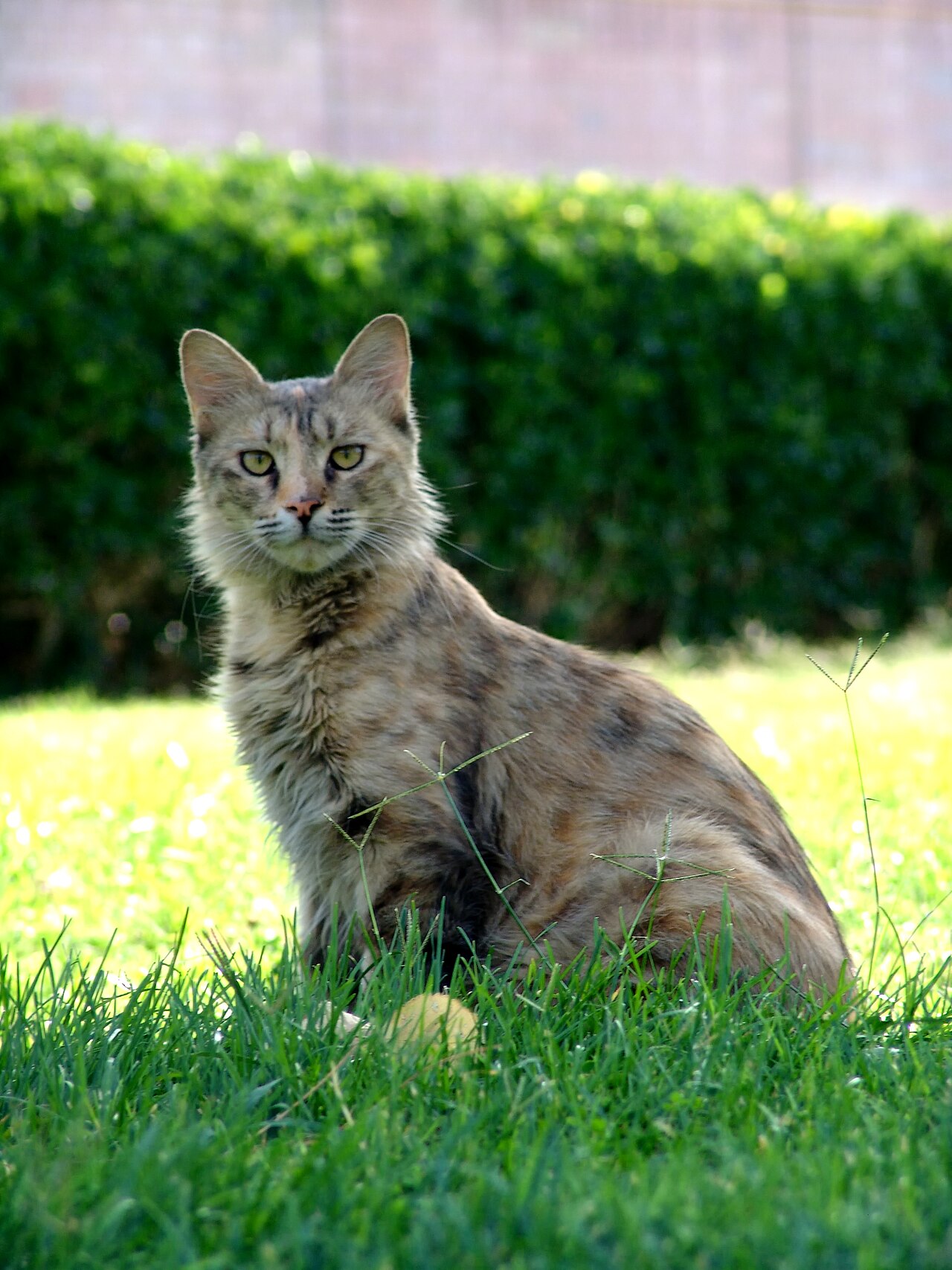

Quick answer: The best cats for apartments are calm, quiet, and independent — breeds that do not need a lot of space to run and will not disturb your neighbors. British Shorthair, Russian Blue, Persian, Ragdoll, and Scottish Fold are the top five. They are content with vertical space, do not demand hours of play, and will not yowl at 3am.
Cats are generally better apartment pets than dogs — they use a litter box instead of needing walks, they are quieter, and they adapt to smaller spaces more easily. But not all cats are equal in a 500-square-foot studio. A Bengal in a small apartment without enough enrichment will redecorate your curtains. A Siamese in a thin-walled apartment complex will get you noise complaints. The breed matters.
What Makes a Cat Good for Apartment Living?
Four traits determine whether a cat will thrive in an apartment:
- Quiet. Apartment walls are thin. A vocal breed like the Siamese will annoy your neighbors. You want a breed that meows softly and infrequently.
- Calm. High-energy cats need room to run. In an apartment, they will use your furniture as a racetrack. Calm breeds are content with a cat tree and a window perch.
- Independent. If you work long hours, you need a cat that does not develop separation anxiety when left alone. Independent breeds entertain themselves.
- Low-shedding. In a small space, cat hair accumulates faster. Low-shedding breeds mean less cleaning and fewer allergens in the air.
The Best Cat Breeds for Apartments
1. British Shorthair
The British Shorthair is the gold standard for apartment cats. Calm, quiet, independent, and famously undemanding. They are happy to sit on the couch while you work, do not need hours of play, and rarely vocalize. Their dense plush coat sheds moderately but is easy to manage with weekly brushing. If you want a cat that behaves like a well-mannered roommate, the British Shorthair is it.
2. Russian Blue
The Russian Blue is reserved, gentle, and quiet — perfect for apartment living. They bond deeply with their people but are not clingy. They are sensitive to change and loud environments, which actually makes them ideal for a calm apartment. Their short, dense coat sheds less than most breeds, and they are naturally fastidious about grooming.
3. Persian
The Persian is the definition of a low-energy apartment cat. They are calm, gentle, and content to sit in one spot for hours. They do not climb curtains, do not knock things off shelves, and do not demand interactive play. The trade-off is grooming: their long coat needs daily brushing to prevent mats. If you can commit to 10 minutes of daily grooming, the Persian is one of the most peaceful apartment companions.
4. Ragdoll
The Ragdoll is calm, affectionate, and famously goes limp when held — hence the name. They are not destructive, not hyperactive, and not loud. They enjoy following their people around the apartment but do not demand constant attention. Their semi-long coat is lower maintenance than a Persian's (no dense undercoat), and they are gentle enough for apartments with children.
5. Scottish Fold
The Scottish Fold is quiet, adaptable, and gets along with everyone — people, children, other cats, dogs. Their folded ears give them a distinctive owl-like appearance, and their temperament matches: calm, observant, and undemanding. They adjust well to small spaces and are not prone to destructive behavior.
6. Exotic Shorthair
The Exotic Shorthair is essentially a short-haired Persian — same calm, gentle personality, but with a plush short coat that needs only weekly brushing instead of daily grooming. They are quiet, low-energy, and perfectly content in an apartment. If you love the Persian temperament but not the grooming commitment, the Exotic Shorthair is your answer.
7. Birman
The Birman is gentle, quiet, and sociable without being demanding. They enjoy being near their people but do not follow them obsessively. They adapt well to apartment life and get along with children and other pets. Their silky coat is less prone to matting than a Persian's and needs brushing only 2-3 times per week.
8. Chartreux
The Chartreux is a quiet, independent French breed that is often compared to a dog in cat's clothing — loyal, calm, and observant. They are not vocal, not destructive, and not demanding. Their short, woolly coat is easy to care for. The Chartreux is an excellent choice for apartment dwellers who want a companion without the chaos.
Best Cats for Small Apartments: First-Time Owner Picks
New to cat ownership? Pick a breed that forgives beginner mistakes. You want a cat that stays calm when the feeding schedule slips, does not panic at vacuum noise, and entertains itself while you are at work. In a small apartment, add two more filters: a quiet voice and a coat you can maintain in ten minutes a week.
Our top pick for a first-time owner is the British Shorthair. It is the most forgiving breed on this list: patient with handling, happy to nap while you work, and light on grooming. If shedding worries you, the Russian Blue sheds less than most and keeps itself clean. And if you like the Persian look but not the daily brushing, the Exotic Shorthair gives you the same calm temperament with a weekly-brush coat. All three stay relaxed in a 400-square-foot studio, which is more than you can say for a Bengal.
Cat Breeds to Avoid in Apartments
- Siamese — extremely vocal, demands attention, can develop separation anxiety. Their loud, raspy meow carries through thin walls.
- Bengal — high energy, needs daily interactive play and enrichment. A bored Bengal in a small apartment will destroy things.
- Abyssinian — one of the most active breeds. Needs climbing space, interactive toys, and daily play. Not happy in a small apartment without significant enrichment.
- Maine Coon — large, active, and vocal. Their size alone makes a small apartment feel cramped, and they need more exercise than most apartment cats can get.
- Sphynx — high energy, needs constant warmth, and requires weekly baths. More maintenance than most apartment dwellers expect.
Tips for Keeping a Cat Happy in a Small Space
A small apartment does not have to mean a bored cat. Vertical space is the key:
- Go vertical. Cat trees, wall shelves, and window perches give your cat climbing and observation space without taking up floor area. A 6-foot cat tree in the corner is worth more than 10 square feet of floor space.
- Window access. A window perch with a view of birds or street activity is free entertainment. Cats can watch "cat TV" for hours.
- Rotate toys. Do not leave all toys out at once. Rotate 3-4 toys every few days to keep things interesting.
- Puzzle feeders. These slow down eating and provide mental stimulation. A cat working on a puzzle feeder is a cat not chewing your furniture.
- Hide and seek. Hide treats around the apartment for your cat to find. This mimics hunting behavior and keeps them mentally engaged.
- Vertical scratching posts. Cats need to scratch. Give them a tall scratching post and they will leave your couch alone.
Frequently Asked Questions
Can I keep a cat in a studio apartment?
Yes. Cats adapt well to small spaces as long as you provide vertical enrichment (cat trees, shelves, window perches) and mental stimulation (puzzle feeders, rotating toys). Calm breeds like British Shorthair, Russian Blue, and Persian are perfectly happy in studios.
What is the quietest cat breed?
The British Shorthair, Chartreux, and Persian are the quietest breeds. They rarely vocalize and when they do, it is soft and brief. Avoid Siamese, Burmese, and Oriental Shorthair if noise is a concern — they are among the most vocal breeds.
Do cats need a lot of space?
No. Cats use vertical space more than horizontal space. A tall cat tree, window perch, and a few shelves give a cat more usable territory than a large empty floor. The key is enrichment, not square footage.
Are indoor cats happy in apartments?
Yes, with proper enrichment. Indoor cats live longer, healthier lives than outdoor cats (no traffic, predators, or disease). Provide climbing space, window access, interactive play, and puzzle feeders, and an apartment cat will be perfectly content.
How do I keep my apartment from smelling like cat?
Scoop the litter box daily, use a clumping litter with odor control, and place the litter box in a ventilated area. Regular brushing reduces shedding and dander. An air purifier with a HEPA filter helps with both odor and allergens. Low-shedding breeds like Russian Blue and British Shorthair produce less odor-causing dander.
Can I have two cats in a small apartment?
Yes, if the cats are compatible. Two calm, social cats (like a pair of Birmans or Ragdolls) can share a small apartment happily. Provide separate litter boxes (one per cat plus one extra), separate feeding stations, and enough vertical space for each cat to have its own territory.
What is the best low-maintenance cat for an apartment?
The British Shorthair and Exotic Shorthair are the most low-maintenance apartment cats. They have short coats, calm personalities, and do not demand constant attention. They are happy to entertain themselves while you are at work.
Should I get a cat or a dog for my apartment?
Cats are generally better apartment pets. They use a litter box (no walks needed), are quieter, adapt to smaller spaces, and are more independent. Dogs need outdoor exercise, can be noisy, and require more daily attention. If you want a low-maintenance companion for apartment life, a cat is the better choice.
What is the best cat for a first-time owner in a small apartment?
The British Shorthair is the safest first cat for a small apartment. It is quiet, patient, and undemanding, and it stays calm through the mistakes every first-time owner makes. The Russian Blue is the next pick if you want less shedding around a small space.
Which calm cat breeds are suitable for first-time owners living in small apartments?
British Shorthair, Exotic Shorthair, Russian Blue, Birman, and Chartreux are calm breeds that stay relaxed in small spaces. The first three need the least maintenance, which matters while you are still building a routine around litter, feeding, and play.
Not Sure What Breed Your Cat Is?
Upload a photo to Furriq's breed identifier. It checks 40+ visual markers and tells you the most likely breed in seconds — useful if you adopted a cat and want to know if it is an apartment-friendly breed.
Keep reading
All articlesCat Breeds
Maine Coon Price 2026: $1,800-$3,500 Kitten Cost Breakdown
Maine Coon kittens cost $1,800-$3,500 from a good breeder in 2026. Full breakdown: price by color, adoption vs breeder, red flags, and lifetime costs.
9 min read
Cat Breeds
Bengal Cat Price 2026: $1,500-$3,500 Kitten Cost Guide
Bengal kittens cost $1,500-$3,500 from a breeder in 2026, up to $10,000+ for early generations. Price by generation and pattern, adoption vs breeder, red flags.
11 min read
Cat Breeds
Ragdoll Cat Price 2026: $1,200-$3,500 Kitten Cost Guide
Ragdoll kittens cost $1,200-$3,500 from a breeder in 2026. Price by color pattern, adoption vs breeder, ongoing costs, and how to avoid scams.
10 min read
Still not sure what your cat is?
Stop guessing from photos and text. Upload one clear photo and the AI checks 40+ visual markers in seconds. Free, no sign-up, and your photo is never stored.
Free cat breed scan