

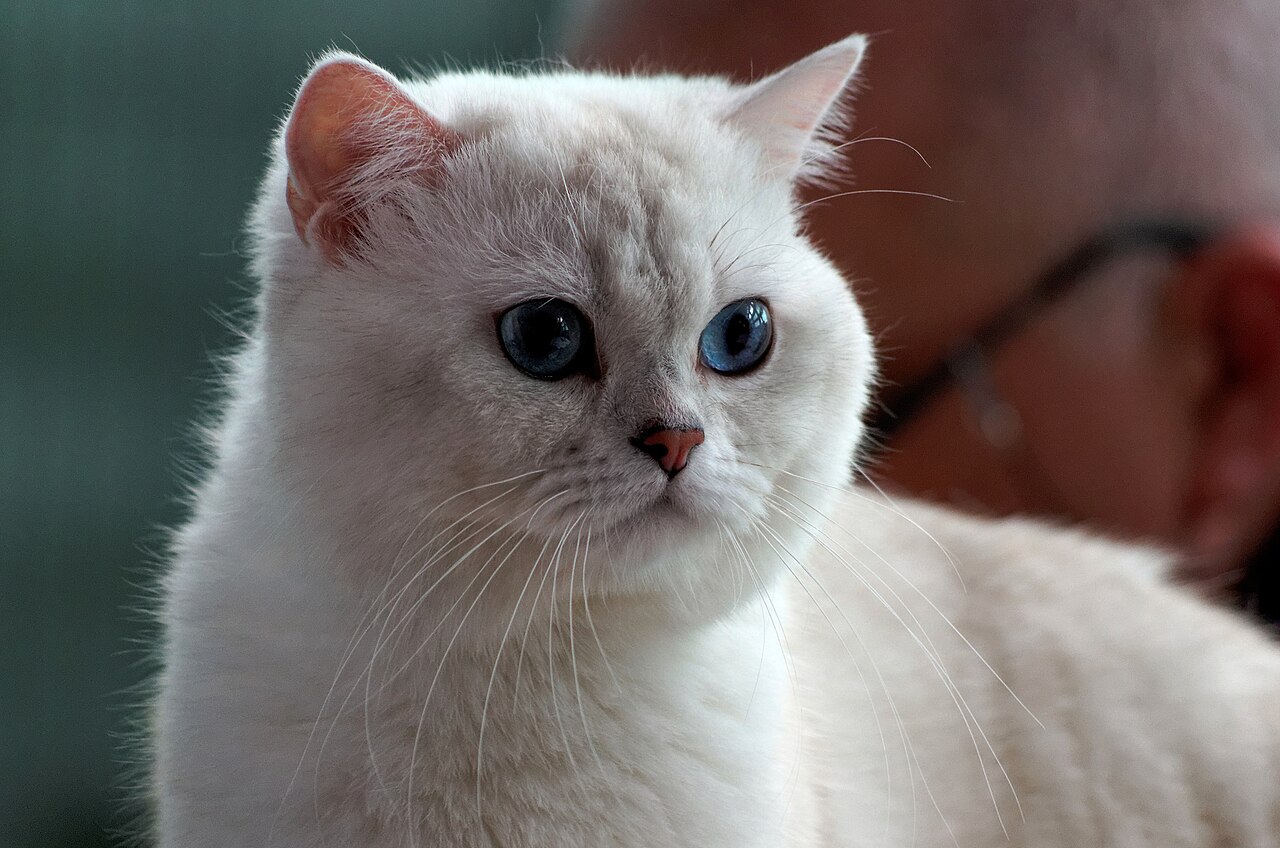
The British Shorthair is the teddy bear of the cat world: round face, full cheeks, dense plush coat, and a calm temperament that asks little and gives a lot. The look is so popular that the British Blue, a solid blue-gray coat with copper eyes, is one of the most recognized cats anywhere. Behind the plush exterior sits a short, stocky frame that breeds its own set of risks, and the breed's history includes outcrosses that left genetic markers behind.
None of this is a doom scroll. British Shorthairs are hardy cats overall, and many live 12 to 17 years without a major health event. But the breed carries a genuine list of inherited conditions, and two of them, HCM and PKD, benefit enormously from breeder screening. Knowing the list lets you choose a breeder who tests and catch problems before they become emergencies.
1. Hypertrophic Cardiomyopathy
Hypertrophic cardiomyopathy thickens the heart muscle and is the most common inherited heart disease in cats, with British Shorthairs among the breeds where it shows up regularly. The thickened muscle pumps less efficiently, and advanced disease can lead to heart failure or blood clots. Early stages often produce no symptoms at all.
Responsible breeders screen their breeding cats with echocardiograms, and the DNA variant associated with HCM in some lines can be tested. Ask for screening results before buying a kitten. At home, watch for faster breathing at rest, sudden hind-leg weakness, or collapse, any of which is an emergency. Annual vet visits that include a listen to the heart catch some cases early.
2. Polycystic Kidney Disease
Polycystic kidney disease causes fluid-filled cysts to form in the kidneys, slowly destroying healthy tissue. British Shorthairs picked up the gene through Persian outcrossing in their history, and affected cats can develop kidney failure by middle age. The disease progresses quietly for years.
A DNA test identifies carriers before breeding, and reputable breeders use it. For an adult cat, an ultrasound can reveal cysts early. Signs of trouble, increased thirst, weight loss, poor coat, and larger litter box use, warrant a vet visit with blood work. Catching kidney disease early opens treatment options that slow it down.
3. Obesity
The British Shorthair's calm, easygoing nature is a double-edged sword. The breed prefers lounging to climbing, and that low energy, paired with a good appetite, makes obesity the most common problem owners manage. Extra weight strains the heart, joints, and kidneys, all organs already on this breed's watch list.
Feed measured portions rather than free-feeding, and keep treats to a small share of daily calories. Interactive toys that make a cat work for food help. Because the breed takes 3 to 5 years to fully mature, a heavy kitten can quietly become a heavy adult. A body condition check at each vet visit keeps the trend honest.
4. Dental Disease
The short, round face that makes the breed adorable also crowds the teeth. British Shorthairs frequently develop tartar, gingivitis, and periodontal disease earlier than longer-faced breeds, and dental disease is painful and silently common in cats. Bad breath is often the first clue.
Brushing teeth several times a week is the gold standard, and annual dental checks with a vet catch issues before they need extractions. Dental treats and water additives help but do not replace brushing. A cat that suddenly prefers soft food, drools, or paws at its mouth needs a dental exam.
5. Hemophilia B
Hemophilia B, a deficiency of factor IX, is a rare bleeding disorder known in some British Shorthair lines. Affected cats bruise easily and can bleed excessively after surgery, dental work, or injury. In severe cases, bleeding can be life-threatening.
The condition is inherited, and responsible breeders avoid breeding carriers. Before any procedure, tell your vet the breed and ask whether clotting tests are warranted. Unexplained bruising, prolonged bleeding from small wounds, or swelling after a minor injury all deserve a vet visit.
British Shorthair health issues at a glance
| Issue | Why It Matters | Key Sign |
|---|---|---|
| HCM | Thickened heart muscle | Silent, then breathing changes |
| PKD | Kidney cysts, slow failure | Thirst, weight loss |
| Obesity | Low energy, big appetite | Visible weight gain |
| Dental disease | Crowded teeth, early tartar | Bad breath, drooling |
| Hemophilia B | Factor IX deficiency | Bruising, prolonged bleeding |
Is your cat actually a British Shorthair?
A British Shorthair carries a round head with full cheeks, a short nose with a visible stop, large round copper or gold eyes, and a dense plush double coat that stands away from the body. The body is stocky and cobby with short legs and a thick, rounded tail. Most round-faced cats you meet are domestic shorthairs, so the full package matters.
If your cat has that plush, round-faced look, our cat breed identifier can compare the visual markers against the British Shorthair breed profile. And for a breed that eats first and thinks later, the Maine Coon health guide covers similar weight-management ground.
Related breeds
All breedsKeep reading
All articlesHealth
Sphynx Cat Health Problems: 6 Issues
Sphynx cats face real health risks: HCM, myasthenia, skin oil buildup, dental disease, sunburn, and temperature issues. Here is what to watch.
6 min read
Health
Bengal Cat Health Problems: 5 Issues
Bengals face PRA, FIP, flat-chested kitten syndrome, separation anxiety, and skin sensitivity. Here is what to watch in this high-energy breed.
5 min read
Health
Maine Coon Cat Health Problems: 4 Issues
Maine Coons carry HCM, hip dysplasia, spinal muscular atrophy, and obesity risk. Here is what to watch in the gentle giant.
5 min read
Still not sure what your cat is?
Stop guessing from photos and text. Upload one clear photo and the AI checks 40+ visual markers in seconds. Free, no sign-up, and your photo is never stored.
🐱 Free cat breed scan